
How Often Does a Septic Tank Need Pumping?
Every 3 to 5 years for a typical residential setup. That range isn't arbitrary. It's driven by tank size and how many people are running water and waste through it every day. A smaller household with a bigger tank stretches toward the 5 year mark. A full house with a small tank pushes toward 3. Redmond Porta Pros checks both when we quote septic pumping service, because guessing wrong means either paying to pump early or risking a backup. If you're not sure where your property lands, our septic tank pumping cost page breaks down what drives the number further, and how often to pump a septic tank covers the household-size math in more depth. Commercial kitchens are a different animal entirely: grease interceptors get pumped when fats, oils, grease and solids hit 25 percent of the liquid depth, which is a maintenance schedule, not a calendar one. See grease trap pumping if that's your situation. Homes near Union Hill-Novelty Hill, about 6.4 miles east of central Redmond, tend to run on well and septic more often than properties closer in, so we get a fair number of pumping calls from that direction.
What Are the Warning Signs a Septic Tank Needs Pumping?
Slow drains, gurgling pipes, standing water over the drain field, and a sewage smell near the tank or yard are the signals. None of those wait politely. If you're seeing more than one at once, don't wait for the scheduled 3 to 5 year mark, call now. Our septic tank warning signs page walks through each symptom and what it usually means. A slow drain alone might just be a clog. Gurgling plus standing water usually means the tank is full or the field is failing. Redmond properties on older systems, particularly ones installed before modern drain field standards, show these signs sooner and more often. If it's already bad, our emergency septic service line runs day and night. We'd rather get a same-day call than have a tank overflow into a yard, a driveway, or worse, a finished basement. For anyone renovating a home while dealing with an aging septic system, pairing septic tank cleaning with a home renovation porta potty keeps the household running while the system gets sorted.
What Does Septic Pumping Service Include?
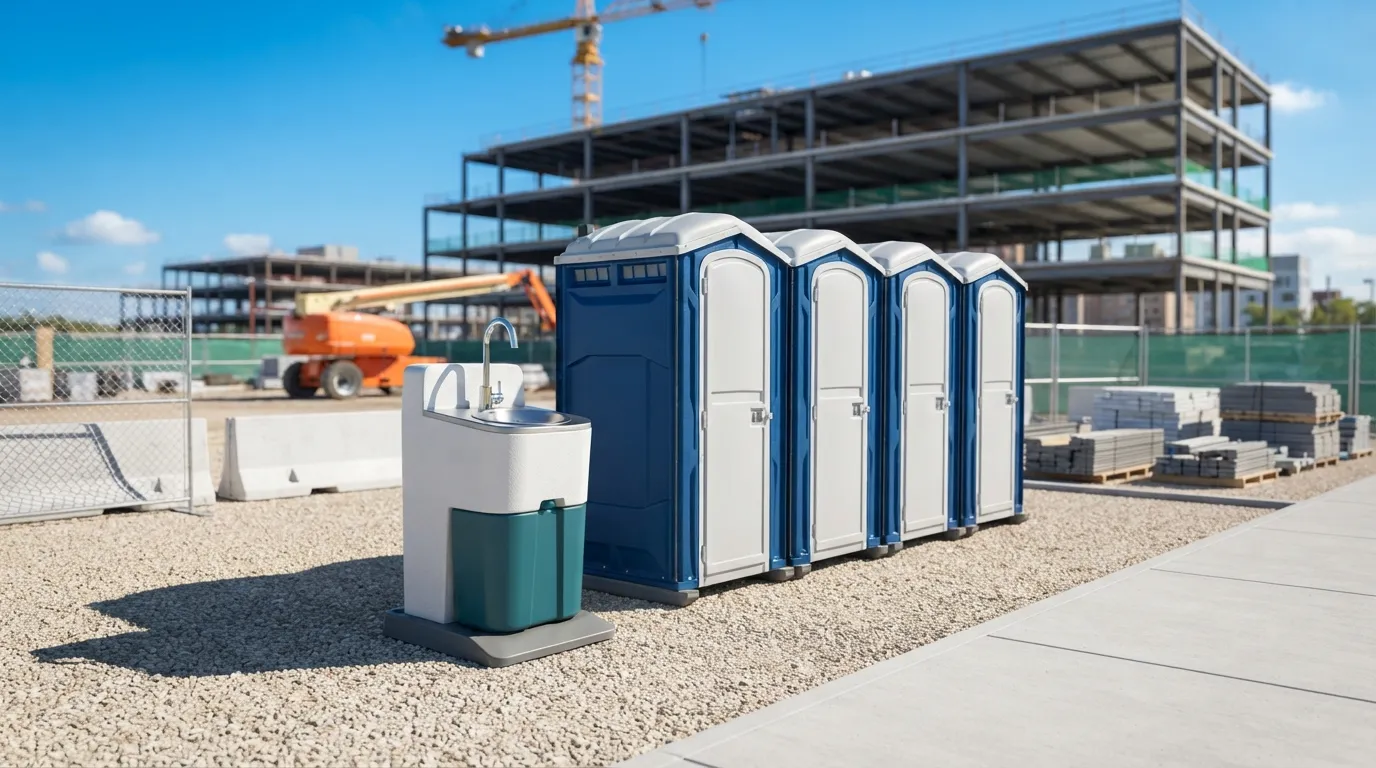
A full pump-out clears the tank of solids and liquids, checks the baffles, and confirms the tank isn't showing structural damage. We're not just vacuuming and leaving. Every visit includes a look at tank condition, lid seal, and inlet and outlet baffles, because those are the parts that fail quietly and cause backups later. If we find a crack or a baffle that's gone, we'll tell you before it becomes an emergency call. Pricing for a standard residential pump-out sits between $150 and $300 for a day-rate visit, depending on tank size and how far the truck has to travel on-site. That's separate from septic tank cleaning, which is a deeper service for tanks that have gone past due or show buildup issues beyond routine solids. We also handle holding tanks for properties without a permanent septic system, and portable holding tank rentals for job sites and events, covered on our holding tank rental page. If your property runs a private well alongside the septic system, OSHA 1926.51(a)(1) requires an adequate supply of potable water at any place of employment, which matters if you're running a work crew on-site during a pump-out.

Septic Pumping Cost by Tank Size
| Tank size | Service type | Price band |
|---|---|---|
| Standard residential | Day-rate pump-out | $150 to $300 |
| Weekend or short-notice | Same-day pump-out | $50 to $150 |
Cost moves with tank size, access for the truck, and how recently the tank was last serviced. A 1,000 gallon tank that's overdue costs about the same to pump as one on schedule, the difference is what we find inside. Weekend pricing runs lower than the standard day rate because it's often a smaller, more urgent job rather than a full-scope service call. For a fuller cost breakdown across tank sizes and access conditions, see septic tank pumping cost. If you're comparing septic against other sanitation options for a property under renovation or without working plumbing, our porta potty rental cost and porta potty rental per day pages give you the other side of that comparison. Grease interceptor pumping for restaurants and commercial kitchens runs on a different schedule and price structure entirely, tied to that 25 percent fats-oils-grease threshold rather than a calendar, detailed on grease trap pumping.
Do You Offer Holding Tank Service for Properties Without Septic?
Yes. Some Redmond properties, especially newer builds mid-permit or rural parcels waiting on a system, run on a holding tank instead of a full septic setup. We service those on the same rotation logic as a septic tank, just adjusted for tank size and use. Our holding tank rental page covers rental units for construction sites and events that need a self-contained system with no connection to a leach field. This matters for job sites too. A construction crew running construction site services on a lot without utilities often needs a holding tank alongside portable toilet rental units, since OSHA 1926.51(c) sets toilet facility requirements for construction crews starting at 1 toilet per 20 workers. Agricultural properties fall under a different standard: OSHA 1928.110 requires field sanitation with potable water, toilets and handwashing for hand-labor employees, at one facility per 20 workers within a quarter mile walk, which we account for on farm sites, see farm and agricultural restrooms for that setup.
Do You Handle Emergency Septic Calls?
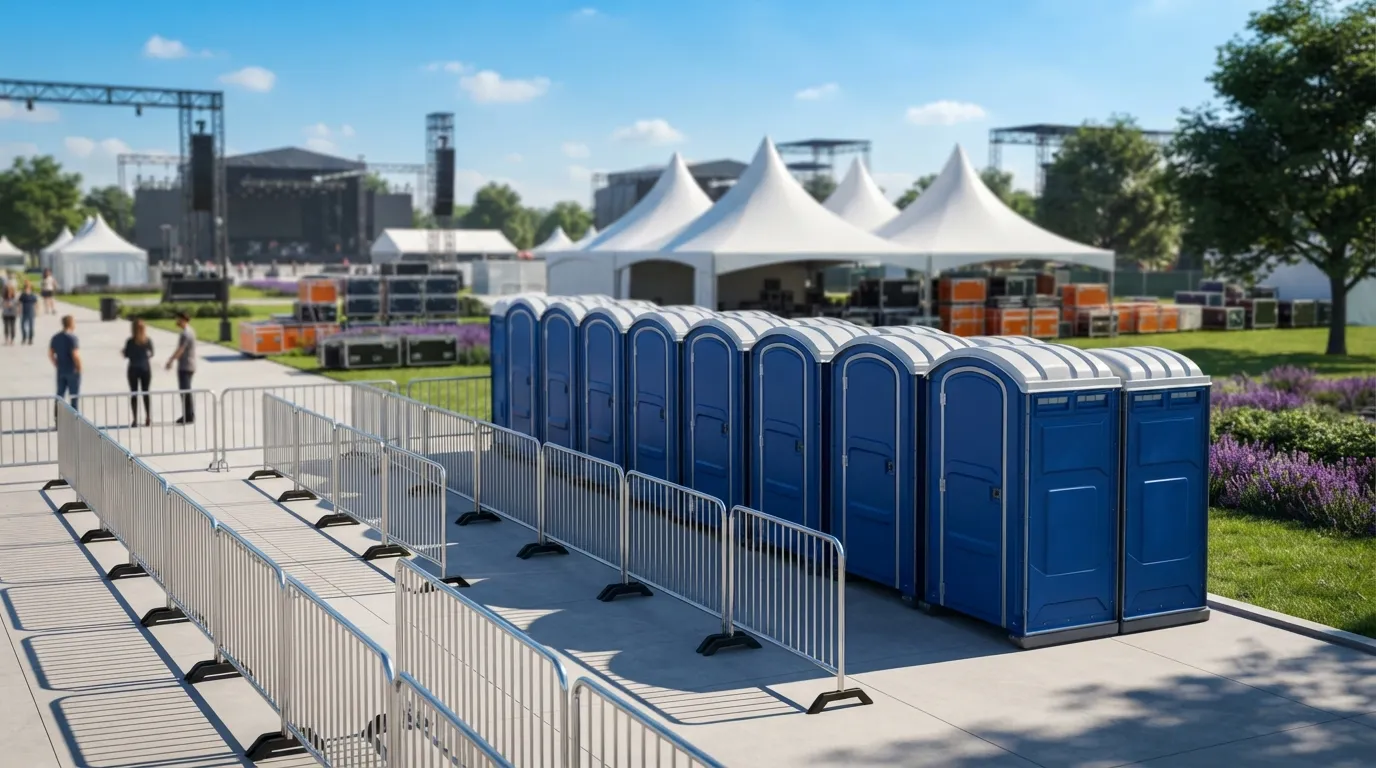
Yes, and fast is the point. A backed-up tank doesn't wait for a scheduled appointment, and we don't make you wait for one either. Emergency response covers overflows, complete backups, and tanks that have gone from "due" to "failing" without warning. Response radius includes Redmond itself and the towns nearby: Woodinville sits about 7.1 miles north, Kenmore about 11.0 miles northwest, Bothell 11.4 miles northwest, and Issaquah 13.1 miles south, all inside our normal service range. Our emergency septic service page has direct contact info, or you can go straight to contact or request a quote for a fast callback. If the emergency is really a plumbing failure tied to renovation work or a property without working systems at all, we can pair emergency pumping with a restroom trailer rental or standard portable restroom rental to keep a household or job site functioning while the septic issue gets fixed properly.
How much does septic tank pumping cost?
A standard residential pump-out runs $150 to $300 for a day-rate visit, depending on tank size and truck access. Weekend or urgent same-day service runs $50 to $150. See septic tank pumping cost for the full breakdown by tank size and condition.
How often should a 1,000 gallon septic tank be pumped?
Every 3 to 5 years for most households, driven by tank size and how many people live on the property. Heavier daily use pushes toward the 3 year end. Check how often to pump a septic tank for the household math.
What are the signs my septic tank needs pumping now?
Slow drains, gurgling pipes, standing water over the drain field, and sewage odor near the tank. Any two together usually mean it's past due, not just clogged. Full details are on septic tank warning signs.
Do you offer emergency septic pumping in Redmond?
Yes. We run emergency response across Redmond and nearby towns including Woodinville and Issaquah. Call emergency septic service or contact directly for same-day dispatch when a tank backs up unexpectedly.
What's the difference between septic pumping and septic cleaning?
Pumping removes tank contents on a routine schedule. Cleaning is a deeper service for tanks well past due or showing heavy buildup beyond normal solids. See septic tank cleaning for when a full clean makes more sense than a standard pump.
Can you service a holding tank instead of a septic system?
Yes. Properties without a permanent septic system, including some new builds and rural parcels, run on holding tanks we service on the same size-based schedule. Details are on holding tank rental.
Next step
Get a delivery date
Tell us the address, the dates and the headcount. We size the order and confirm the route.